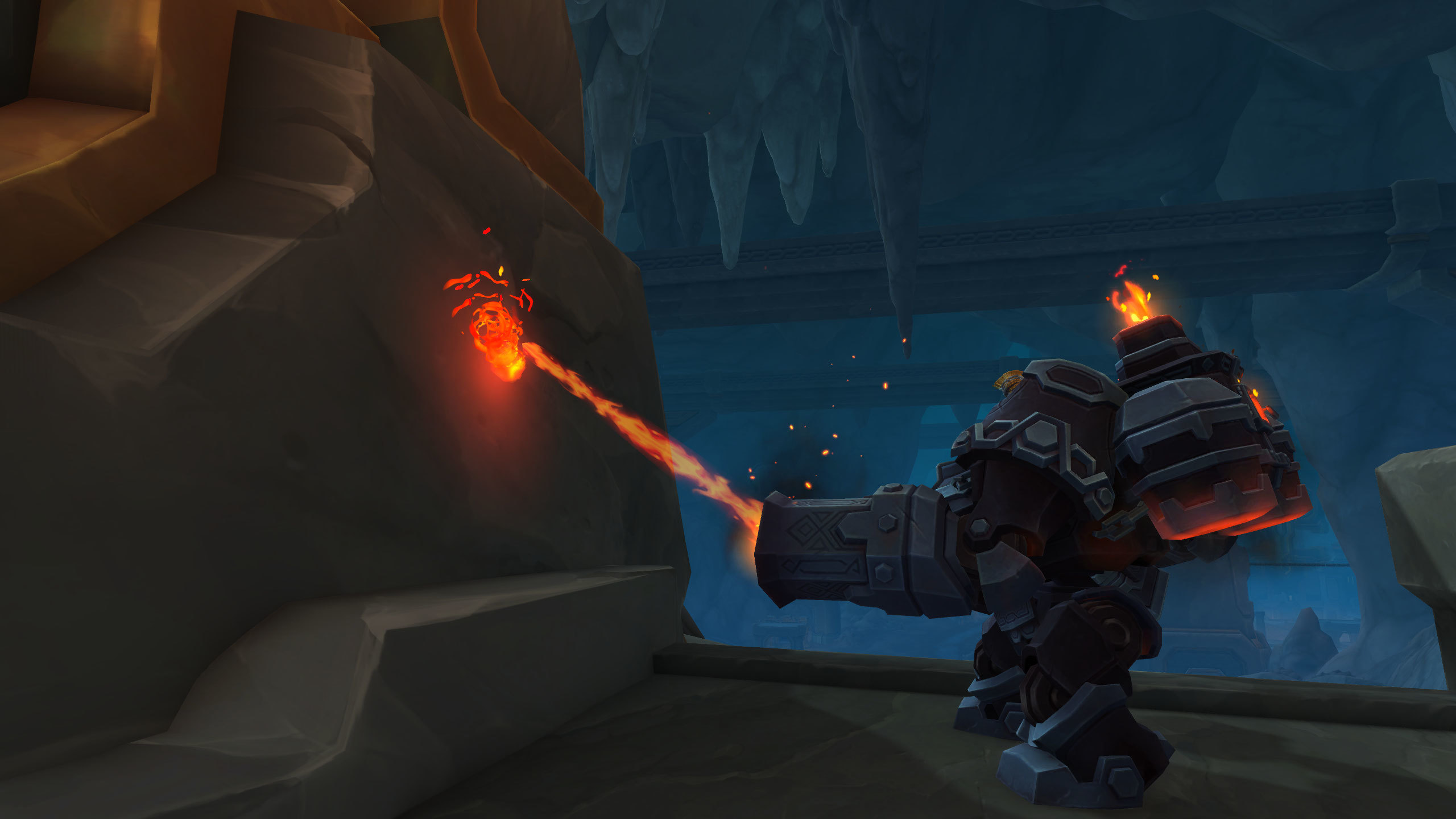
Introduction. Professions have always been a cornerstone of World of Warcraft—a system that lets players shape the world through craftsmanship and trade. But while early professions were defined by practicality—crafting gear, potions, or food for survival—modern WoW has turned them into tools of creativity and self-expression. What began as a way to fill raid bags has evolved into a deeper form of gameplay that rewards artistry, individuality, and innovation.
This article explores how professions have transformed from functional necessities into creative outlets, reflecting the game’s broader shift from survival mechanics to personal storytelling and specialization.
The Early Days: Professions as Essential Survival Tools
In Classic WoW, professions served one purpose—utility. Blacksmiths forged weapons, Alchemists brewed potions, and Tailors crafted bags to ease limited inventory space. Gathering professions like Mining and Herbalism were vital for economic survival, fueling guild banks and raid consumables. Professions weren’t glamorous—they were necessities, and their value was judged by efficiency and usefulness.
Despite their simplicity, they fostered community interaction. Players bartered in Ironforge or Orgrimmar, forming small networks of crafters and suppliers. Crafting was slow, deliberate, and deeply rewarding because it mattered.
The Expansion Era: Specialization and Prestige
As expansions rolled in, Blizzard began layering complexity onto professions. The Burning Crusade introduced specialization paths—like Transmutation Masters or Armor Specialists—turning professions into statements of identity. Crafters became artisans, choosing paths that aligned with their playstyle or lore preferences.
By Wrath of the Lich King, professions gained prestige. Crafted epic gear gave artisans recognition and power. Owning a rare recipe or crafting an exclusive mount made players local celebrities within their servers. Professions became less about function and more about reputation.
The Decline of Relevance—and the Seeds of Reinvention
As WoW’s design streamlined, professions lost some of their importance. In Warlords of Draenor, garrisons automated much of the crafting process, reducing player interaction. Markets stagnated, and many felt professions had become background features. Yet this period laid the groundwork for reinvention, as Blizzard realized that automation stripped away the joy of creativity.
The stage was set for a new direction—one that would restore meaning by making professions personal again.
Dragonflight and the Age of Crafting Mastery
Dragonflight revolutionized professions, introducing crafting orders, specialization trees, and artisan reputation. For the first time in years, crafting became both skill-based and expressive. Artisans could now refine their techniques, master sub-disciplines, and take pride in their creations. Every crafted item carried the signature of its maker—a true reflection of identity and craftsmanship.
Players began to rediscover the social side of professions, fulfilling custom orders and competing to become renowned crafters on their servers. Crafting was no longer about utility—it was about artistry and connection.
Professions as Creative Expression
Today, professions are storytelling tools. Transmog tailors, pet engineers, alchemical theorists—all express creativity through their crafts. The visual and mechanical diversity of crafted items allows players to shape not only their power but their identity. Mounts, toys, and cosmetics serve as creative extensions of personality.
In this modern age, the most successful crafters aren’t just suppliers—they’re artists shaping the world’s culture one creation at a time.
Conclusion
WoW’s professions have evolved from instruments of survival into symbols of imagination. Where once they served raids and economies, now they serve stories and individuality.
The shift from utility to creativity mirrors the evolution of the game itself—from a grind for resources to a celebration of expression. In every crafted potion, weapon, or outfit, players leave a piece of themselves behind—proof that Azeroth isn’t just lived in; it’s handmade.





+ There are no comments
Add yours